
Building software is easy.
Understanding people is hard.
We research, design, and build what matters.
01
Ship outcomes, not features.
Understanding the why is the most crucial step in product strategy. We help you move beyond feature-shipping to build consistent experiences users actually rely on.
02
Validate and de-risk your roadmap.
Flooding users with unvalidated features is risky. Through continuous research and testing, we ensure your team never spends a cycle on features users don't need.
03
Fast turnaround, long-term impact.
Speed no longer has to cost you the right decisions. We pair AI-assisted efficiency with human-led strategy to deliver production-ready work on an accelerated timeline.
Product leaders partner with Fuego to create winning digital experiences.







Our Work
View all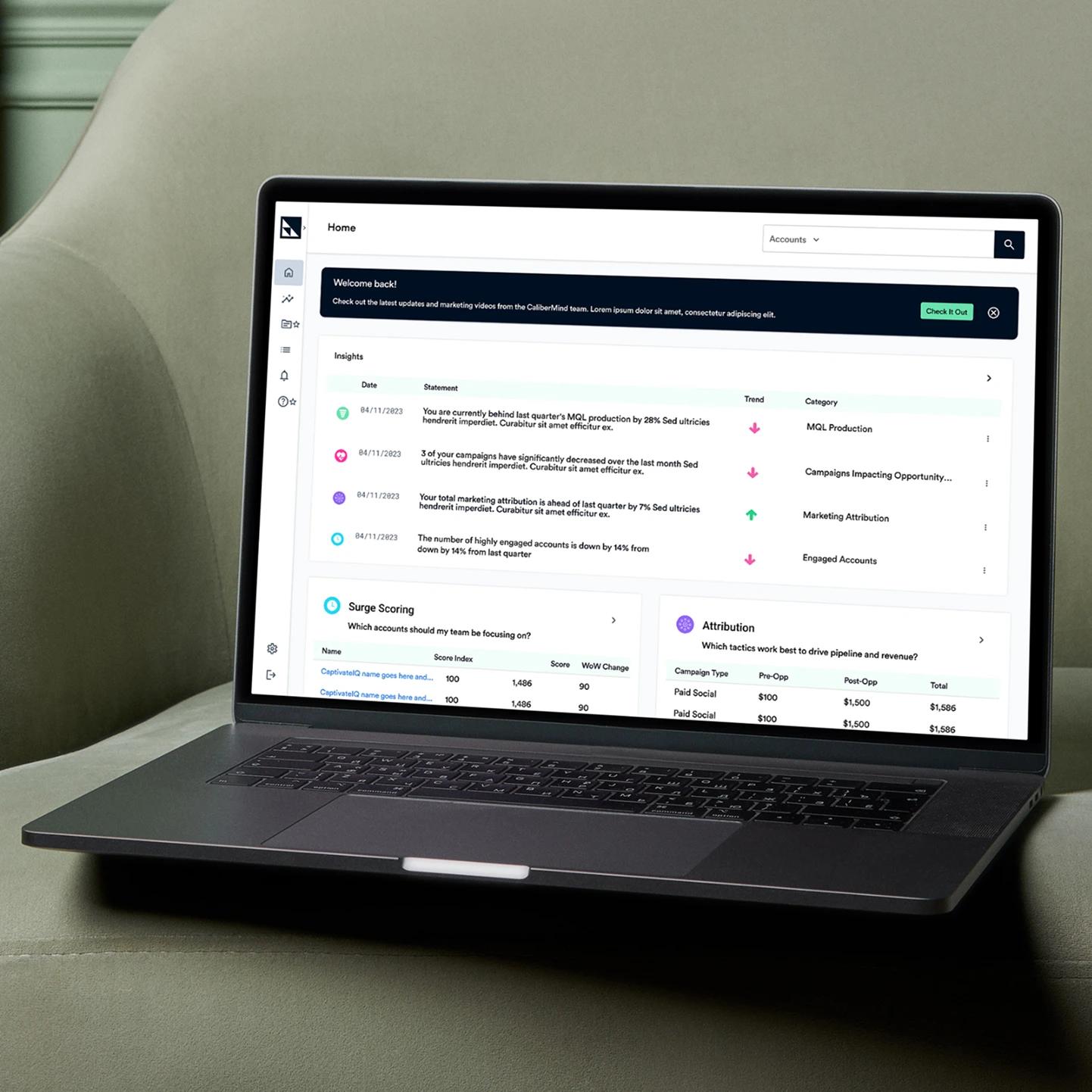
CaliberMind
Driving SaaS Performance Through Improved Usability

Sunday
Unlocking E-commerce Growth Through Payment Flexibility

Beeline
Modernizing Vendor Management SaaS for Speed, Efficiency, and ROI

Yahoo
Strategic Research Driving Strategic Design Investments and Revenue Performance
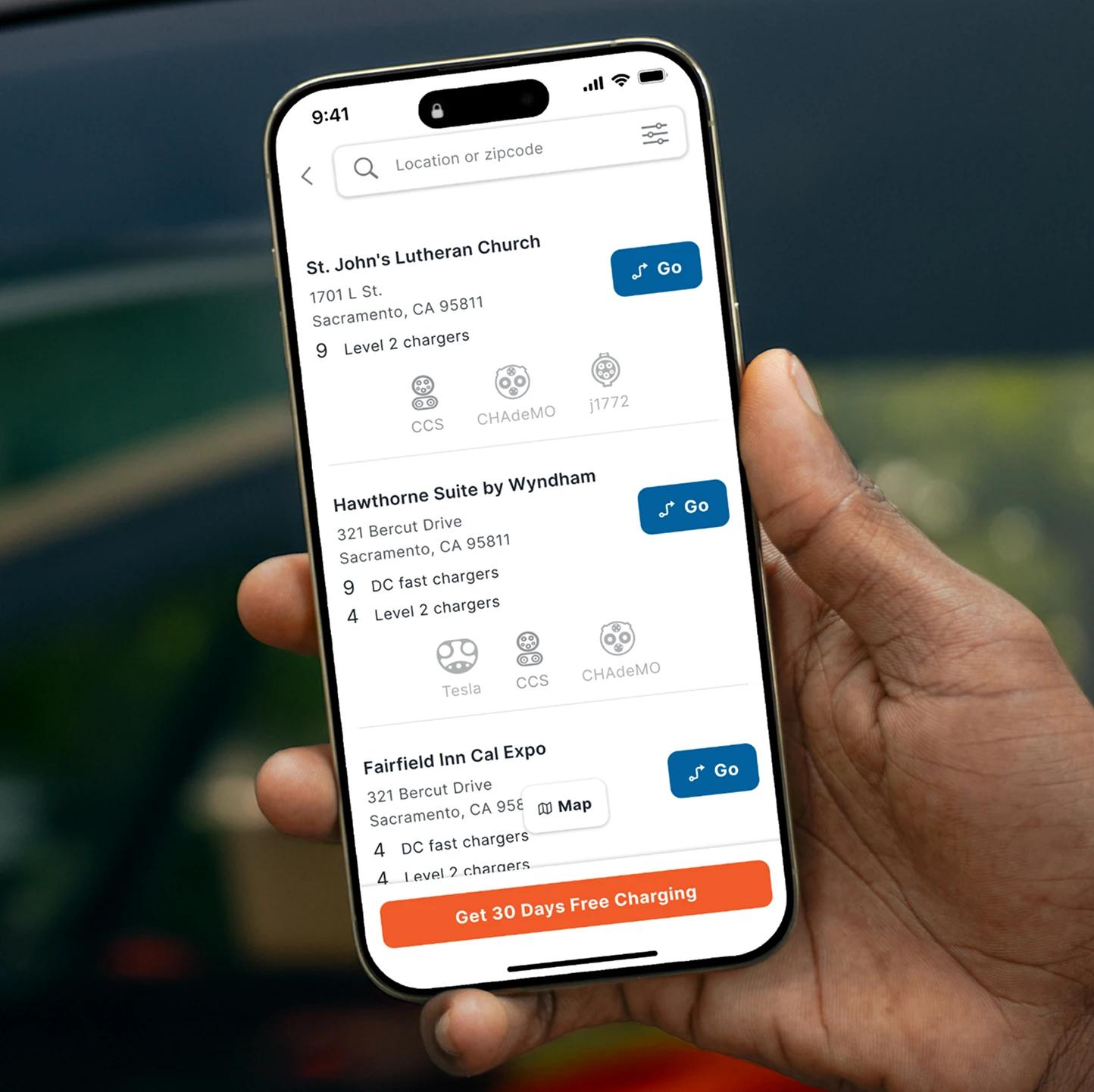
EVCS
Growing EV Market Penetration with a Strategic UX Investment
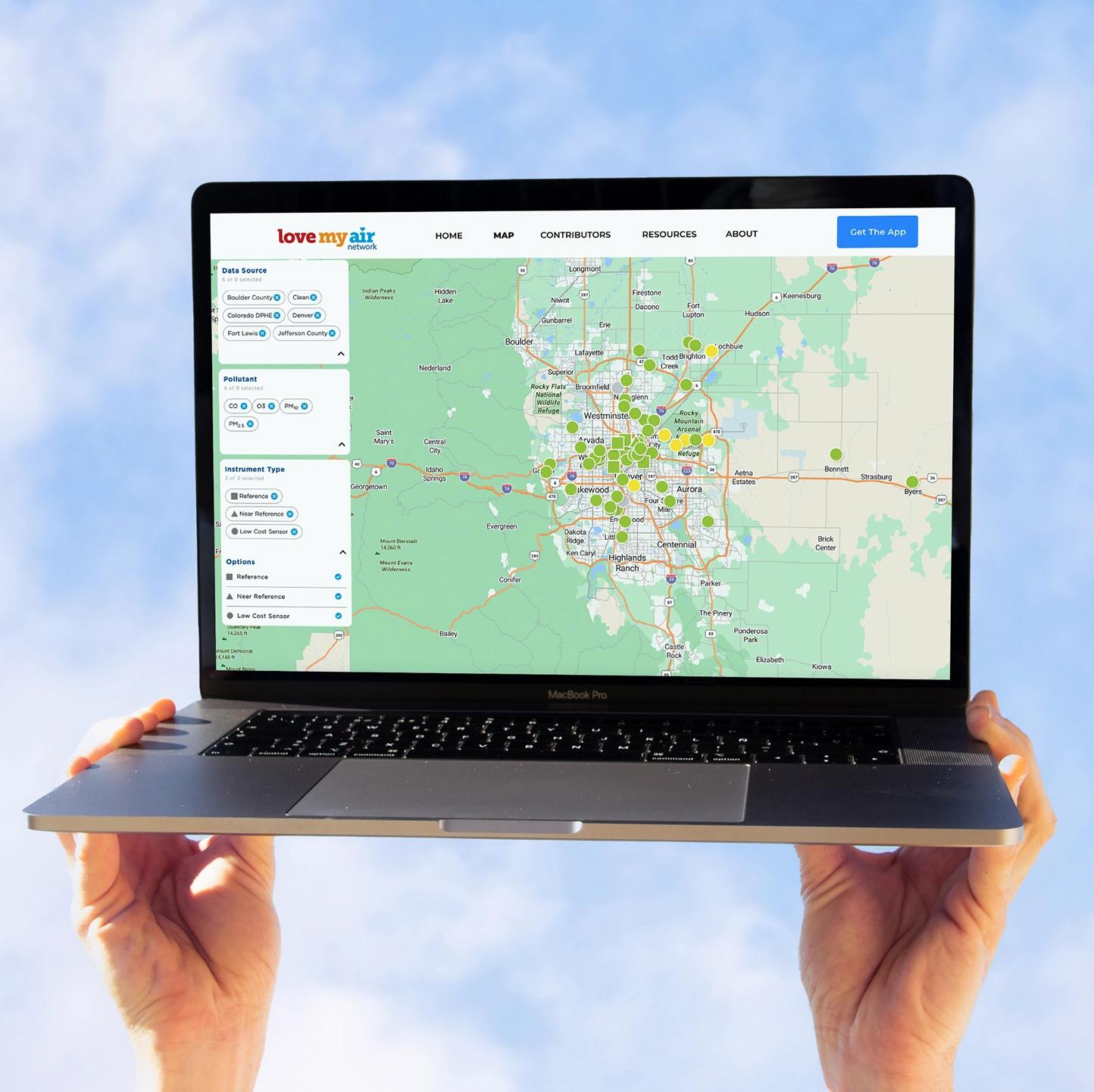
Love My Air
Maximizing Public Impact Through Strategic UX Research
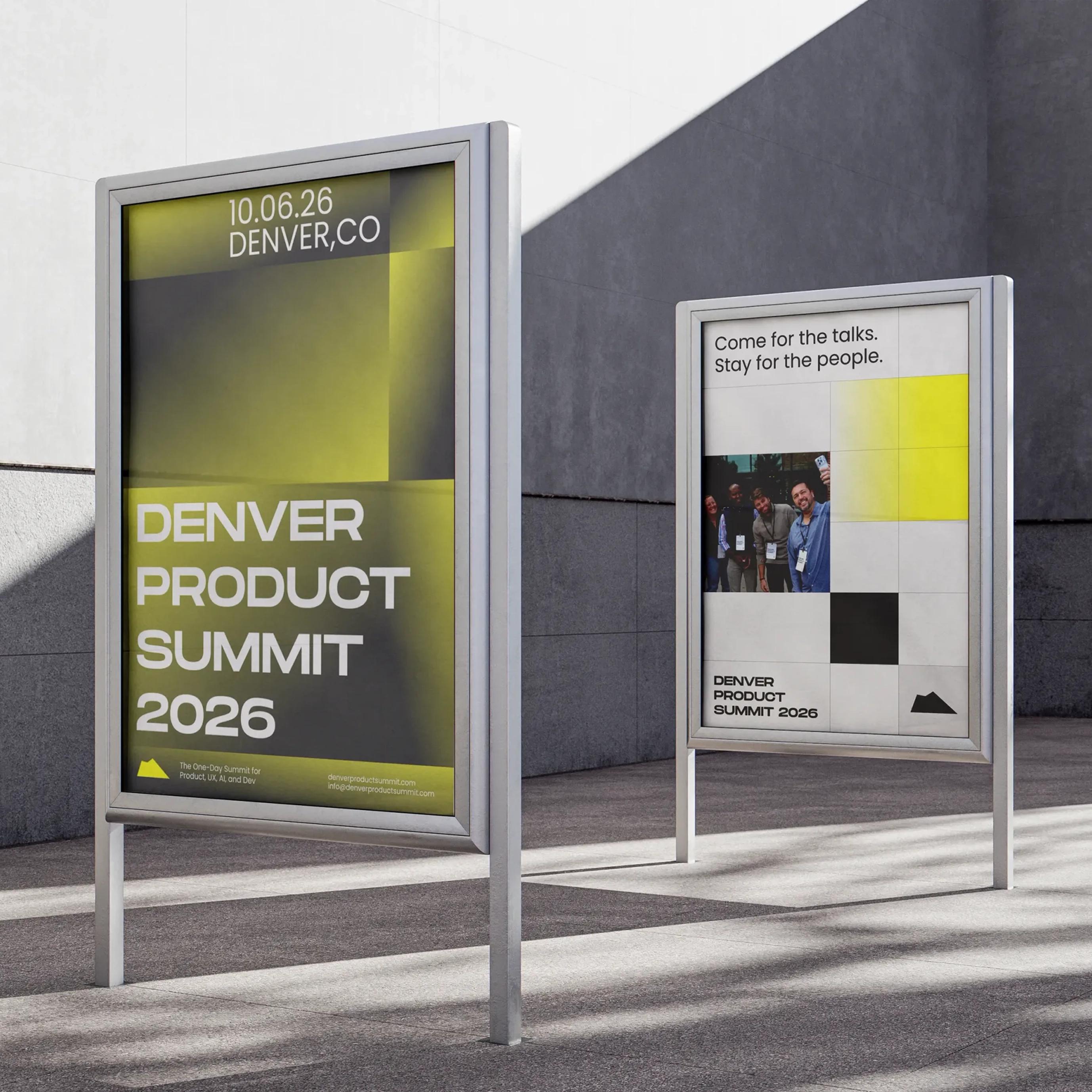
Denver Product Summit
Building a Brand for Colorado’s Product Community

TPGi
Transforming a Legacy Accessibility Platform
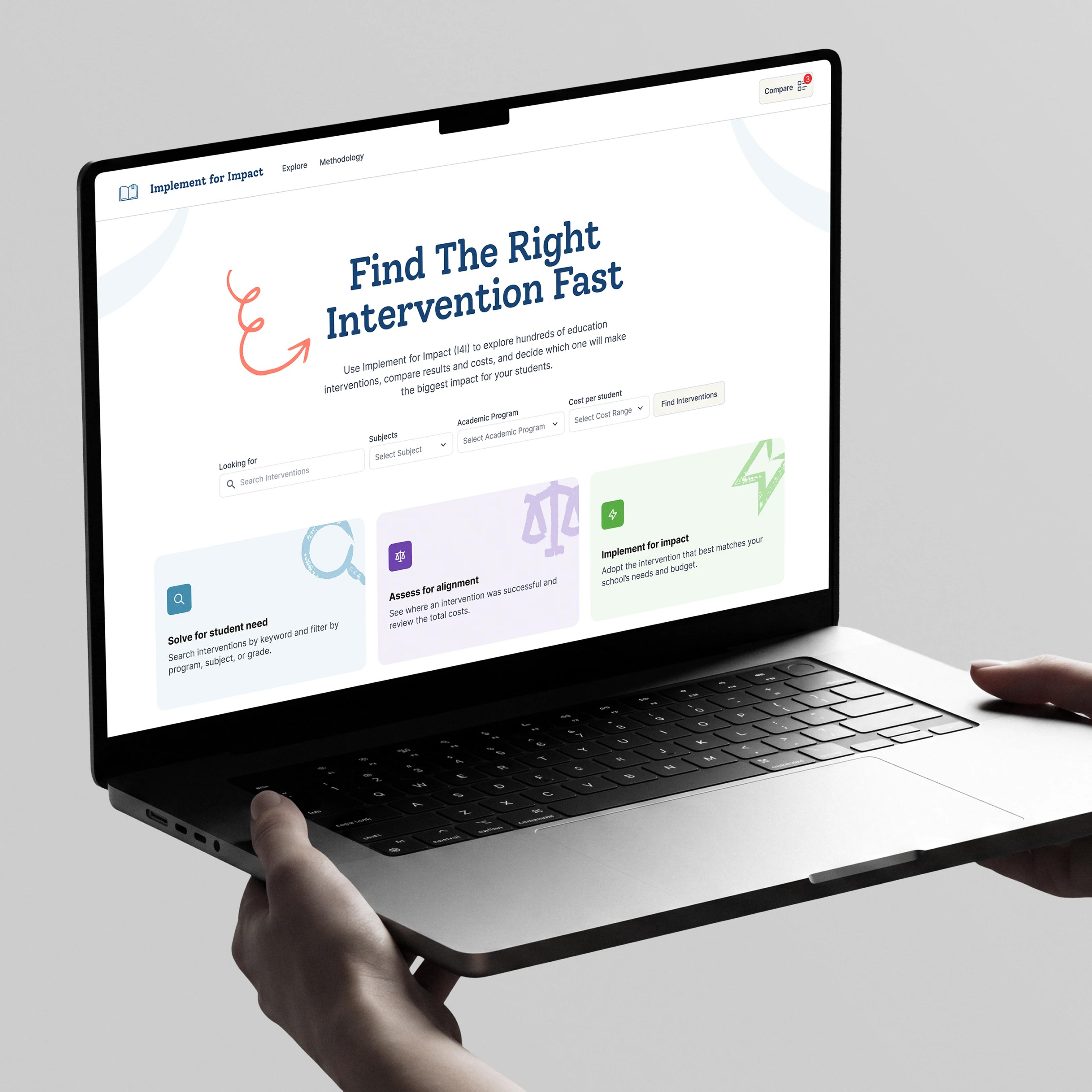
Implement for Impact
Turning Education Research into Actionable Decisions
Our Services
View allGreat design starts with a clear vision. We align your product roadmap with business objectives, ensuring you stop simply shipping features and start delivering measurable ROI.
Eliminate the guesswork. We synchronize your team around a shared understanding of the user, preventing the fragmented experiences that arise from unvalidated design.
In an age of generic AI-generated interfaces, we design deliberate, high-context experiences that foster genuine user trust. Every screen is intentional, from first concept to polished UI.
A brand is more than a visual asset; it’s the foundation of every interaction. We build cohesive design languages that function flawlessly across digital, physical, and immersive environments.
Skip the months-long recruitment cycle. We flex your team’s capacity on demand, bringing the exact expertise you need for major launches and aggressive timelines.
Beautiful design is only half the battle. Our engineers work within your product pods to deliver clean, maintainable code that integrates perfectly with your existing architecture.
Designing impactful products starts with collaboration.
FAQ
View allFuego UX is a specialized digital experience consultancy based in Denver and Boulder. We provide end-to-end UX research, product strategy, AI design, and UI design, with a focus on B2B SaaS, complex software, and emerging AI technologies. Our core offerings include UX audits, rapid prototyping, design system development, and embedded design talent.
We help companies move beyond "AI hype" to create functional, AI-augmented experiences. Our services include Generative AI prototyping, conversational UI design, and AI-powered continuous research to help products adapt to user intent in real-time. Visit our AI design site ainterfaces.com to learn more about our approach to building AI products.
For B2B SaaS, we prioritize reducing cognitive load and streamlining complex workflows. Our process involves deep stakeholder interviews and journey mapping to ensure the interface supports professional-grade functionality while maintaining the "simple and intuitive" experience Fuego UX is known for.
Unlike traditional project-based agencies, our embedded talent model provides senior UX researchers and designers who integrate directly into your product pods. This allows for seamless collaboration with your engineering and product management teams, ensuring design continuity and faster release cycles.
Yes. To ensure our high-fidelity designs are implemented with precision, we provide senior front-end engineers who specialize in modern frameworks. This bridges the gap between Figma mockups and production-ready code. We also utilize AI powered development when requested with tools such as Cursor, Claude Code and Codex.
We measure success through product-focused KPIs such as increased conversion rates, reduced churn, and decreased time-to-task. In our case studies, such as the Sunday or Beeline projects, we’ve demonstrated how strategic design directly correlates to revenue growth and lower customer support costs.
We use a friction-free handoff process. This includes providing developers with interactive prototypes, comprehensive design systems (often based on Material UI, Shadcn, or custom frameworks), and detailed documentation of different component states to ensure predictable development.
Our modernization strategy is incremental. We perform a Heuristic Evaluation to identify the highest-impact areas, then redesign workflows to improve task completion speed without disrupting the core utility that power users rely on. This reduces the "learning curve" for new users while satisfying Product Leaders' goals for market competitiveness.
Our typical projects span from 2-12 months in length and vary depending on our clients needs. We also have retainer options for ongoing monthly engagements and offer staffing of embedded UX resources.
Fuego UX is a specialized digital experience consultancy based in Denver and Boulder. We provide end-to-end UX research, product strategy, AI design, and UI design, with a focus on B2B SaaS, complex software, and emerging AI technologies. Our core offerings include UX audits, rapid prototyping, design system development, and embedded design talent.